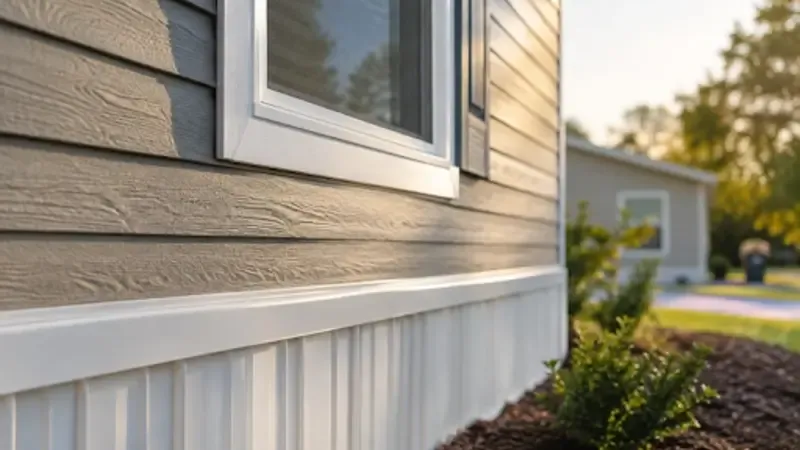
Selling a mobile home in Plano, Texas, can be straightforward when the ownership records, land arrangement, and buyer requirements are clear from the start. Before choosing a listing strategy, many owners compare local market exposure with direct options offered by manufactured home buyers in Plano, TX, especially when repairs, a tight timeline, or park rules could affect the sale.
Plano’s access to major roads, jobs, shopping, schools, and North Texas services can support buyer interest, but the home itself still needs to be priced and transferred correctly. A home in a community with leased space follows a different path from a manufactured home sold with privately owned land.
Local Factors That Can Affect a Plano Sale
Location affects convenience, but condition and paperwork usually determine whether a transaction moves smoothly. In Plano’s hot summers and changing storms, buyers may pay close attention to roof leaks, drainage, insulation, window condition, skirting, and the performance of the cooling system. Safe steps, solid handrails, and functioning plumbing also make a better first impression.
Some sellers want a traditional listing and time to market the property, while others need a simpler sale path. Businesses such as Jeff Buys Mobile Homes represent one option to compare alongside an agent-assisted listing or a private sale. The right choice depends on the home’s condition, the seller’s timeline, and the buyer’s ability to complete the required transfer.
Start by Identifying the Property Type
First, determine whether the home is treated as personal property or real property. In Texas, manufactured homes are generally personal property unless the owner completes the required election and recording steps for real property status. The difference matters because a home sold with land may involve a deed and a customary real estate closing, while a personal-property home commonly requires a Statement of Ownership transfer.
Questions to Answer Before Advertising
- Is the home inside a mobile home park or on land you own?
- Will land be included in the sale?
- Is the home permanently installed, and what records support its current classification?
- Are there mortgage liens, tax liens, unpaid property taxes, or unpaid lot rent?
- Do the serial number, HUD labels, or Texas Seal information match the ownership records?
What Can Affect a Mobile Home’s Value?
A realistic asking price reflects more than square footage. Consider the year, make, model, width, size, overall condition, roof age, HVAC performance, plumbing, electrical work, flooring, appliances, and the cost of any obvious repairs. A double-wide with documented updates may attract a different buyer pool than an older single-wide needing substantial work.
Land ownership is another major distinction. For example, two similarly sized homes may not command the same price if one sits on seller-owned land and the other is in a park with monthly lot rent and buyer-approval requirements. Review recent comparable sales when available, request more than one opinion, and avoid treating a broad online estimate as a final valuation.
Gather the Right Documents Early
Paperwork issues can delay a closing after a buyer has already expressed interest. Texas owners can use the state’s guidance on Statements of Ownership and ownership transfers to understand how ownership, liens, and real-property elections are documented. Check the records before accepting an offer, rather than discovering an error near closing.
- Current Statement of Ownership or prior title-related records
- Bill of sale, purchase contract, or previous transfer documents
- Warranty deed and legal description if land is included
- Loan payoff figures and lien-release documents
- Tax statements or paid tax receipts
- Park lease, lot-rent ledger, and buyer approval forms, if applicable
- Repair receipts, warranties, inspection reports, and manuals
Check Mobile Home Park Rules
When the home is in a park, speak with management before promising a closing date. The buyer may need to apply for residency and meet the community’s screening standards. Ask whether there are application fees, transfer fees, income requirements, restrictions on home condition, or deadlines for removing a home that cannot remain in the community.
Resolve unpaid lot rent, rule violations, or maintenance notices early. A buyer who cannot obtain park approval may be unable to keep the home at its existing site, which can completely change the transaction.
Compare Different Selling Options
- Traditional listing: May provide broad exposure, but can involve marketing, showings, negotiations, inspections, and possible repair requests.
- Private sale: Gives the seller control over advertising and conversations, but requires careful screening, paperwork, and coordination.
- Direct sale: Can reduce marketing work and may suit a home sold in current condition, though sellers should still compare price, timing, fees, and closing terms.
Do not judge an offer by the stated price alone. Compare the expected net proceeds, financing contingency, inspection contingency, park approval, requested repairs, closing date, possession date, and who handles cleanup or moving costs.
Prepare the Home Without Overspending
Start with safety, cleanliness, and visible maintenance. Remove clutter, repair broken steps or windows, address active leaks, replace missing outlet covers, and ensure utilities can be safely demonstrated when on. A deep clean and clear access to mechanical areas can help buyers assess the home.
Large remodels are not always necessary. If the home needs extensive work, a professional inspection or contractor estimate may be more useful than spending heavily on upgrades without knowing whether the investment will be recovered in the sale price.
How to Review an Offer and Close
Request every material term in writing. Confirm whether the offer depends on financing, inspection findings, park approval, title research, or lien payoff. Clarify responsibility for taxes, lot rent, utility bills, debris removal, moving permits, and possession after closing.
Ownership details must match the seller and the home being sold. For homes classified as personal property, Texas transfer requirements can involve ownership applications and lien or tax documentation. For homes sold with land, a title company or real estate attorney may be helpful when the deed, legal description, ownership history, or home classification is complicated.
Common Mistakes to Avoid
- Setting a price before confirming whether land is included.
- Ignoring the park lease or buyer approval process.
- Advertising clear ownership when liens or taxes remain unresolved.
- Accepting vague verbal promises about repairs or closing dates.
- Spending heavily on renovations before comparing sale methods.
- Assuming a manufactured home can be moved without proper planning and permits.
Plano Mobile Home Selling Checklist
- Confirm the home’s property classification and ownership record.
- Collect loan, lien, tax, land, park, and repair documents.
- Review park requirements or land-sale details.
- Compare at least two selling approaches.
- Price for condition, location, and whether land is included.
- Review the final agreement and retain copies of signed documents.
Final Thoughts
The strongest Plano mobile home sales begin with clear records and realistic expectations. By confirming ownership status, addressing park requirements, gathering payoff information, and comparing the full terms of each offer, sellers can reduce avoidable delays and choose a sale path that fits their property and timeline.