Businesses across Evansville, Indiana, need communication systems that make everyday instructions easy to understand and urgent directions easy to deliver. For organizations evaluating paging system installation Evansville, IN, Midwest Telecom offers PA system design and installation for Evansville and surrounding areas, with experience planning systems for settings that range from small offices to hospitals and larger entertainment environments. Its sound and paging service focuses on the practical components businesses need, including overhead PA equipment, speakers, amplifiers, microphones, and system design that fits the property.
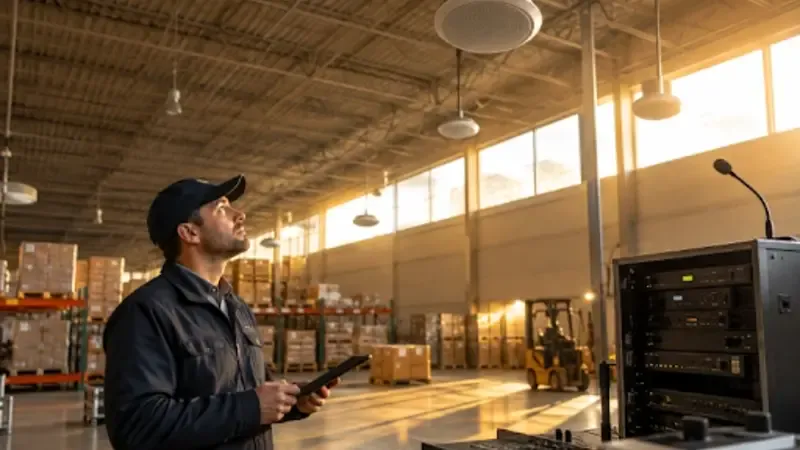
Whether a site includes a quiet professional office, a busy warehouse, a healthcare clinic, a school hallway, or an outdoor guest area, the objective is the same: people should receive the right message at the right time. A reliable communication plan considers the building itself, the people using it, and the situations in which an announcement matters most.
Why Clear Communication Matters at Work
Announcements that are too quiet, distorted, poorly located, or difficult to understand can slow routine operations. Employees may need to repeat a message, leave their work area to find a supervisor, or act on incomplete information. Visitors and customers can also miss directions when audio does not reach the spaces where they are waiting, shopping, receiving care, or attending an event.
Effective communication is not simply a matter of making sound louder. A loud message can still be unclear when it competes with machinery, conversations, traffic, music, or a room with noticeable echo. The goal is understandable speech that reaches listeners without unnecessarily disrupting the environment.
Common Business Uses
A sound and paging system can serve many operational needs from a single, organized platform. In Evansville-area workplaces, typical uses include:
- Calling staff to a department, service desk, loading area, or reception area.
- Sharing shift changes, delivery notices, operational updates, and meeting reminders.
- Providing directions for customers, guests, patients, students, or visitors.
- Coordinating activity across warehouses, manufacturing floors, retail spaces, and hospitality venues.
- Supporting school bells, campus announcements, and classroom-area messaging.
- Delivering evacuation instructions or other urgent safety messages.
How to Plan the System
Good results begin before equipment is selected. A site review should identify where people work, where noise occurs, and who needs authority to make announcements. Consider the following questions:
- Which rooms, corridors, work areas, outdoor spaces, and entrances need coverage?
- Should every message reach the whole property, or only a department or floor?
- What sources of background noise are present during normal operations?
- Will phones, access control, alarms, security tools, or a network need to connect to the system?
- Who will manage settings, scheduled messages, and emergency priorities?
- What backup power, maintenance, and testing procedures are appropriate for the site?
Why Speech Intelligibility Comes First
Speech intelligibility means that listeners can understand the words being spoken. It is affected by speaker placement, microphone quality, room acoustics, volume settings, and ambient noise. Common obstacles include feedback, echo, dead zones, excessive volume, and competing equipment noise.
Test messages from the listener’s position, not only at the microphone or control panel. A speaker may sound acceptable near the equipment but be difficult to understand at the far end of a warehouse aisle or in a hallway near a mechanical room. Announcers should also use short sentences, plain language, and a steady pace, especially for instructions that require action.
Zoning, Coverage, and Sound Levels
Zoning allows a business to direct messages only where they are needed. For example, a receiving-area delivery notice can be delivered to the loading dock without interrupting office staff, customers, or meeting rooms. A school can address one wing, a healthcare facility can communicate with a specific department, and a multi-building property can organize messages by location.
Coverage planning should account for ceiling height, room shape, wall materials, doors, outdoor exposure, and normal noise levels. The right design balances audibility and comfort. Areas with machinery or crowd noise may need different equipment or placement than quiet administrative spaces.
The Role of Networked Audio in 2026
Networked audio can make it easier to manage announcements across multiple zones, buildings, or authorized user locations. Depending on the system design, users may be able to monitor device status, adjust permissions, schedule messages, and connect paging with existing business communications infrastructure.
Convenience should be paired with sensible controls. Organizations should limit administrative access, use strong account practices, document authorized users, and coordinate network planning with their IT team. A system that is easy to operate but carefully managed is more useful than one with features staff cannot confidently use.
Connecting Audio With Emergency Communication
Voice announcements can complement alarms, text messages, email, visual signals, and other notification methods. A layered approach helps organizations reach people in different locations and supports individuals who may not hear a spoken message. Emergency preparedness planning should identify how workers receive instructions, where they should go, and who is responsible for communicating during an event.
Prepare plain-language scripts for situations such as severe weather, fire, evacuation, or restricted access. Messages should state what is happening, what people should do next, and whether they should wait for further instructions. Emergency messages should have priority over routine paging when the system is configured to support that function.
Installation, Testing, and Staff Training
A practical rollout process
- Complete a site survey and map intended coverage zones.
- Review electrical, network, mounting, and control-location requirements.
- Test audio from multiple working and public areas.
- Document zones, controls, settings, and backup procedures.
- Train supervisors and other authorized users.
- Schedule routine tests and maintenance checks.
A maintenance review can include speaker condition, microphones, amplifiers, control panels, network connections, backup power, and emergency-message priority. Documenting what was tested and what needs attention helps staff address issues before a message is needed.
What to Look for in a System Provider
A qualified provider should do more than supply equipment. Look for a team that evaluates the property, explains coverage and zoning options, identifies trade-offs, completes on-site testing, and provides clear documentation. Ask who will handle programming, repairs, user training, future expansion, and post-installation support.
For a business in Evansville or nearby communities, local familiarity can be useful when a provider needs to understand the realities of the site, from older commercial buildings to active warehouses, healthcare spaces, schools, and visitor-focused venues.
Final Checklist for Business Leaders
- Can employees understand announcements from normal working positions?
- Can messages reach only the zones that need them?
- Does the system remain usable during ordinary high-noise activity?
- Are emergency instructions clear, prioritized, and supported by other communication methods?
- Do authorized staff members know how to use the controls?
- Are testing, maintenance, and documentation part of the operating plan?
Dependable workplace communication starts with a design that reflects the actual building and the people inside it. With thoughtful zoning, clear communication, trained users, and regular testing, a paging system can become a practical part of safer, more coordinated operations in Evansville, Indiana.